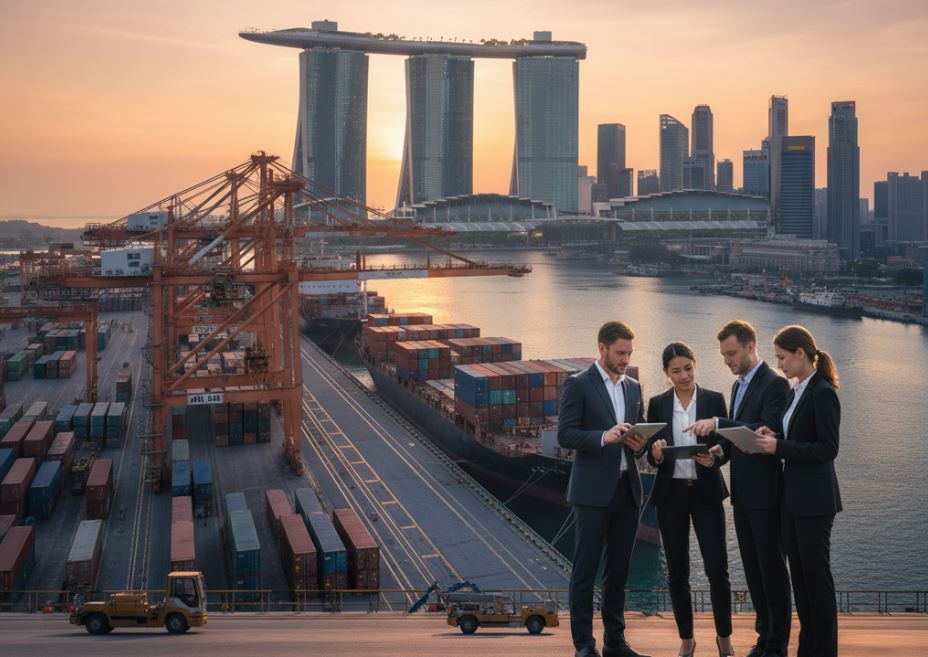
Singapore has revealed a new economic strategy to attract top multinational companies while helping local firms expand internationally.
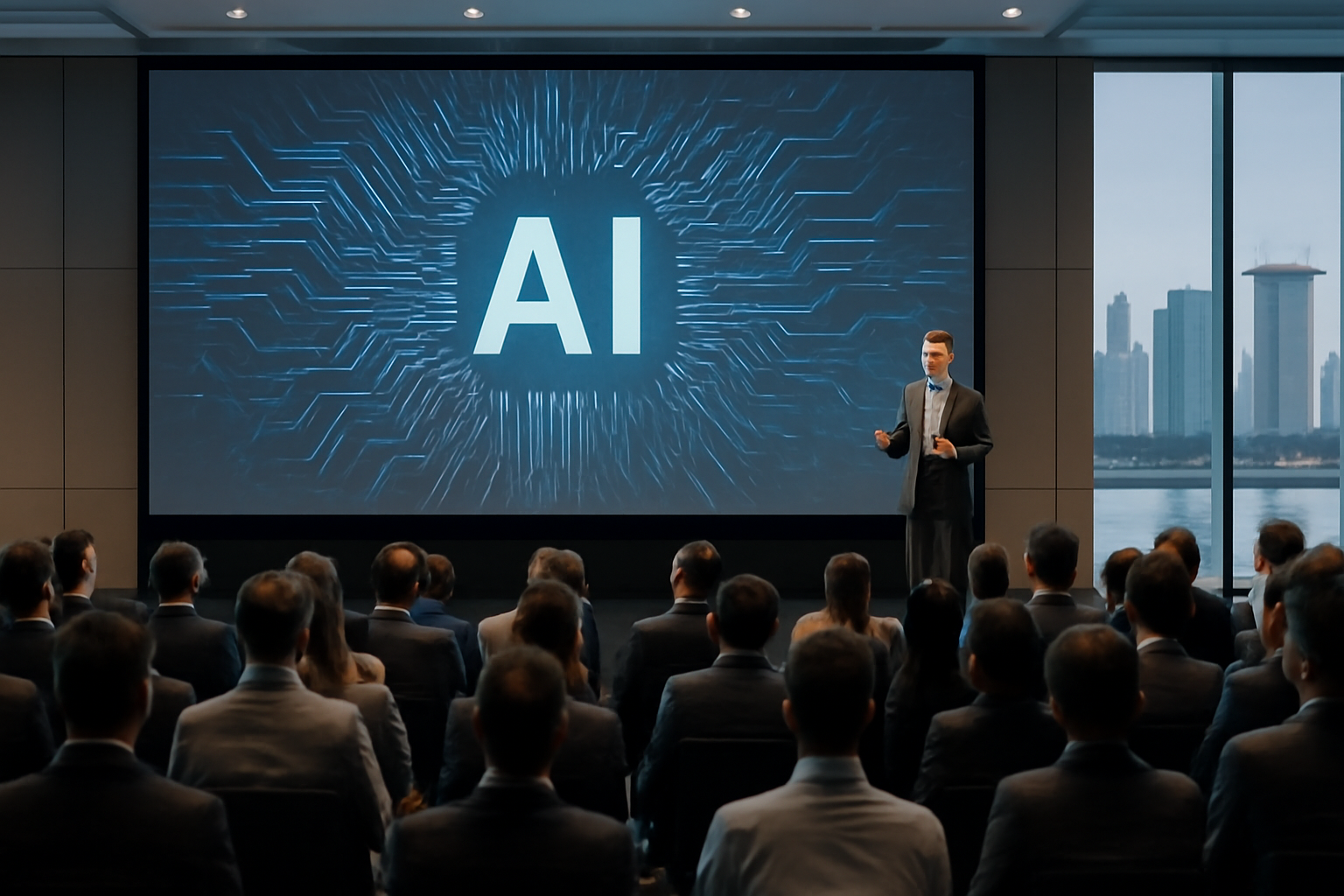
In an update to the President’s Address 2025, Trade and Industry Minister Gan Kim Yong stated that the city-state will utilize its efficient infrastructure, skilled workforce and business-friendly environment to draw global companies and integrate them into local supply chains. He explained that this approach will enable Singapore firms to access new markets, adopt advanced technology and boost productivity through digital and AI-enabled solutions.
The Ministry of Trade and Industry (MTI) identified key growth sectors including advanced manufacturing, artificial intelligence (AI), robotics, biotechnology and the green and digital economies. The ministry will continue investing in research and development, foster collaboration between industry and academia and develop next-generation projects such as the Punggol Digital District. The tourism and lifestyle sectors will also receive targeted support to enhance Singapore’s attractiveness as both a business hub and a desirable place to live.
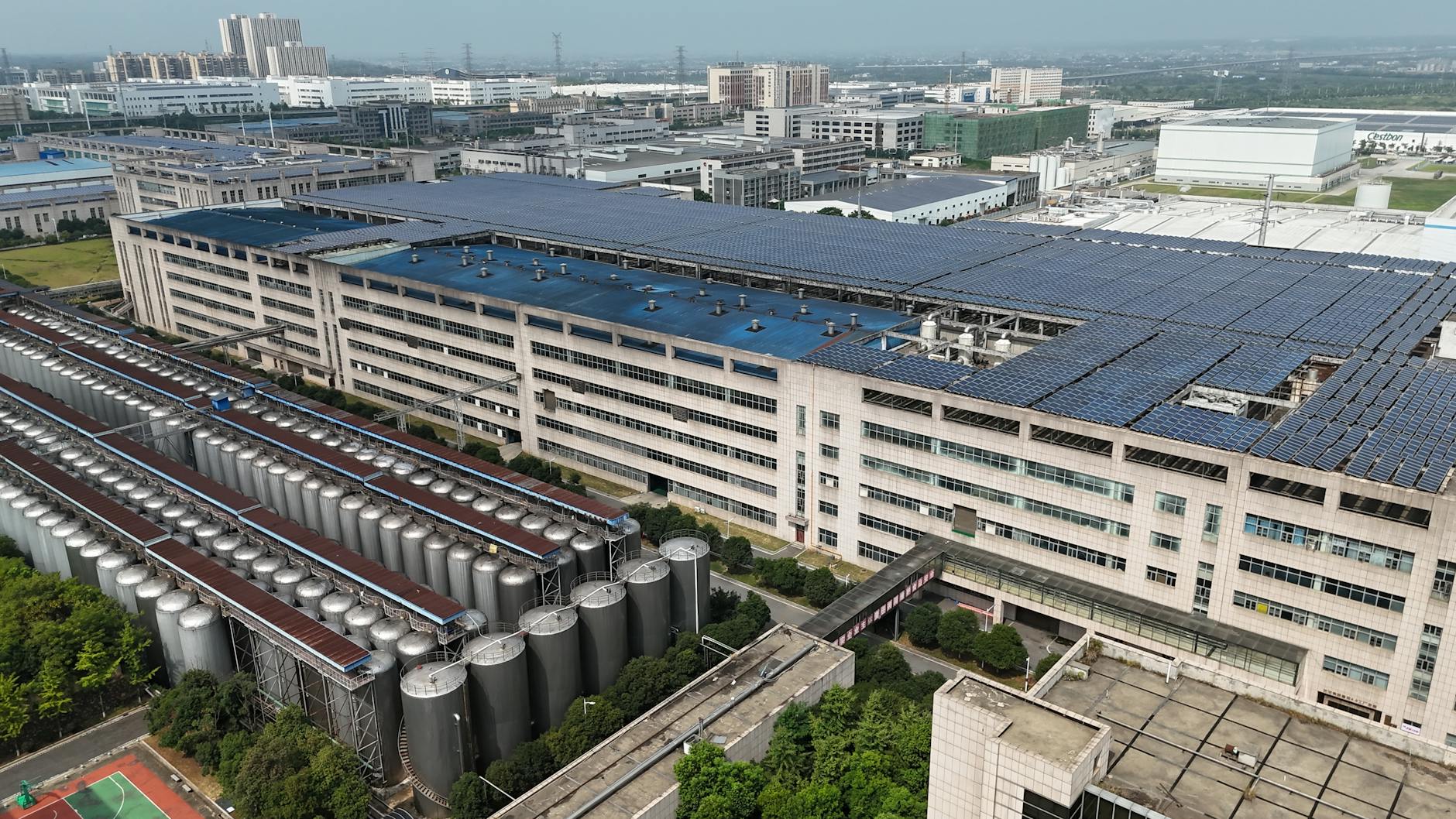
For the green transition, MTI mentioned that companies will receive support to adopt low-carbon solutions, including increased solar energy deployment, cross-border electricity trading and the development of capabilities in hydrogen, nuclear energy and carbon capture technologies. Singapore also aims to position itself as a marketplace for high-quality carbon credits.
Trade integration remains a priority. Singapore plans to strengthen ties within ASEAN, build partnerships with groups such as the European Union and Gulf Cooperation Council and expand connections to Latin America, South Asia, the Middle East and Africa. It will also broaden its network of Digital Economy Agreements and Green Economy Agreements to promote cross-border business and low-carbon growth.
The Ministry of Manpower (MOM) outlined workforce measures to support these initiatives. According to the Manpower Minister Tan See Leng, the government will prepare workers for technology-driven jobs and multi-stage careers by promoting AI literacy, supporting flexible work arrangements and encouraging multi-generational workplaces. The Basic Retirement Sum under the Central Provident Fund will also be increased for future cohorts to support longer working lives.
MOM also stated that foreign workforce policies will be refined so companies can bring in talent that complements the local core. Singaporean professionals will be supported in gaining overseas experience for leadership development. Companies will be encouraged to adopt skills-focused hiring practices, strengthen career advancement pathways and build capabilities through the Enterprise Workforce Transformation Package announced in Budget 2025.
To promote fair and inclusive growth, the Employment Act will be updated to cover new types of work and streamline compliance. According to MOM, it will improve protections for platform workers, freelancers and the self-employed, while also uplifting lower-wage workers and professionalizing skilled trades to provide multiple career pathways.