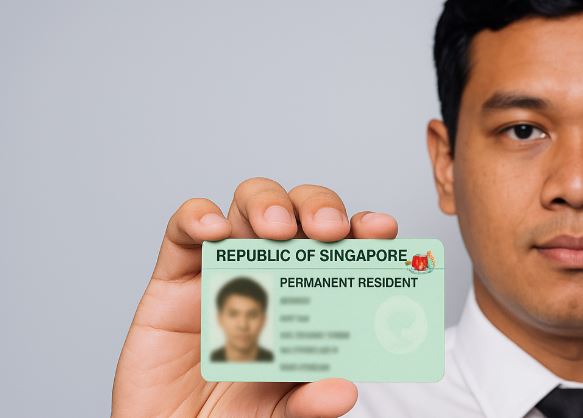
Singapore tightens re-entry rules for PRs starting December 2025
From Dec. 1, 2025, individuals holding Singapore permanent residency (PR) will face stricter travel and residency rules because the government will implement a 180-day deadline for renewing or applying for a re-entry permit (REP) while abroad.
Under the new regulations, PRs outside Singapore without a valid re-entry permit will have 180 days to submit an REP application before they permanently lose their PR status. The Ministry of Home Affairs (MHA) explains that this updated PR regulation is part of the phased implementation of the Immigration (Amendment) Act passed in 2023.
A re-entry permit is essential for PRs to maintain their residency status when they leave and return to Singapore. Currently, if PRs live overseas without a valid permit, they are considered to have lost their PR status immediately; however, the Immigration and Checkpoints Authority (ICA) offers a one-month grace period to restore it. Authorities have also exercised discretion to reinstate PRs who miss the deadline for legitimate reasons, such as hospitalization abroad.
Starting Dec. 1, this one-month grace period and discretionary reinstatements will end.
PRs abroad without a valid REP must apply within 180 days. If they fail to do so, they will automatically lose their PR the day after the deadline, whether they are overseas or already back in Singapore. There will be no reinstatement once the status is lost. PRs can apply for a new PR later if they meet the eligibility criteria.
PRs who apply within the 180 days will retain their status during the application process, even if they remain overseas without a valid REP. If the application is rejected, the PR status will end the following day.
During the 180 days, PRs without a valid REP may still re-enter Singapore if they pass ICA’s usual checkpoint assessments. These individuals will be issued a PR Single-Entry Pass for their return.
The ICA will announce updated entry-permit rules for all PRs when the new framework takes effect on Dec. 1.