IntraConnect Singapore

The Strategic Pivot: Why Singapore is the Heart of China’s Global Economic Strategy

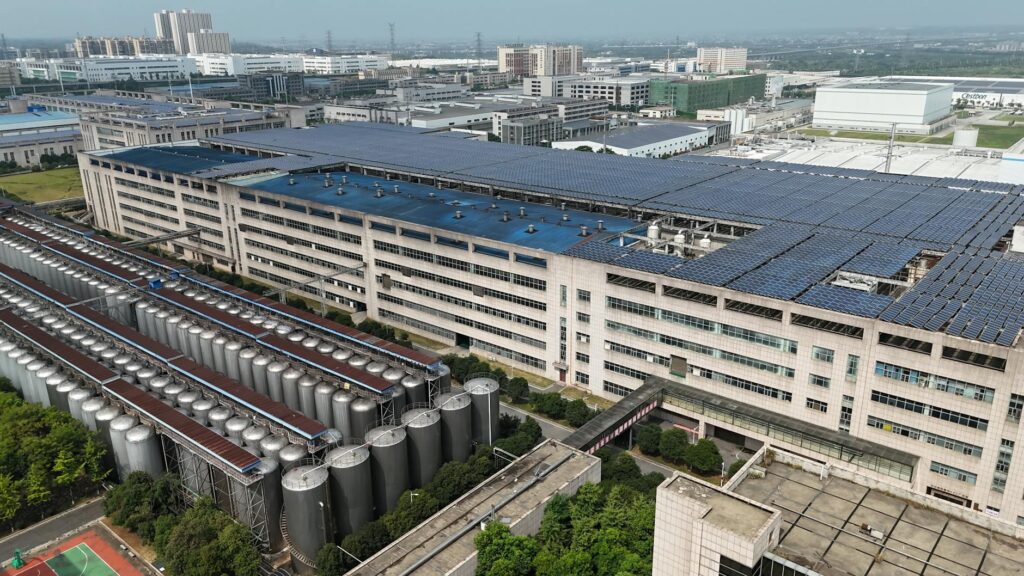
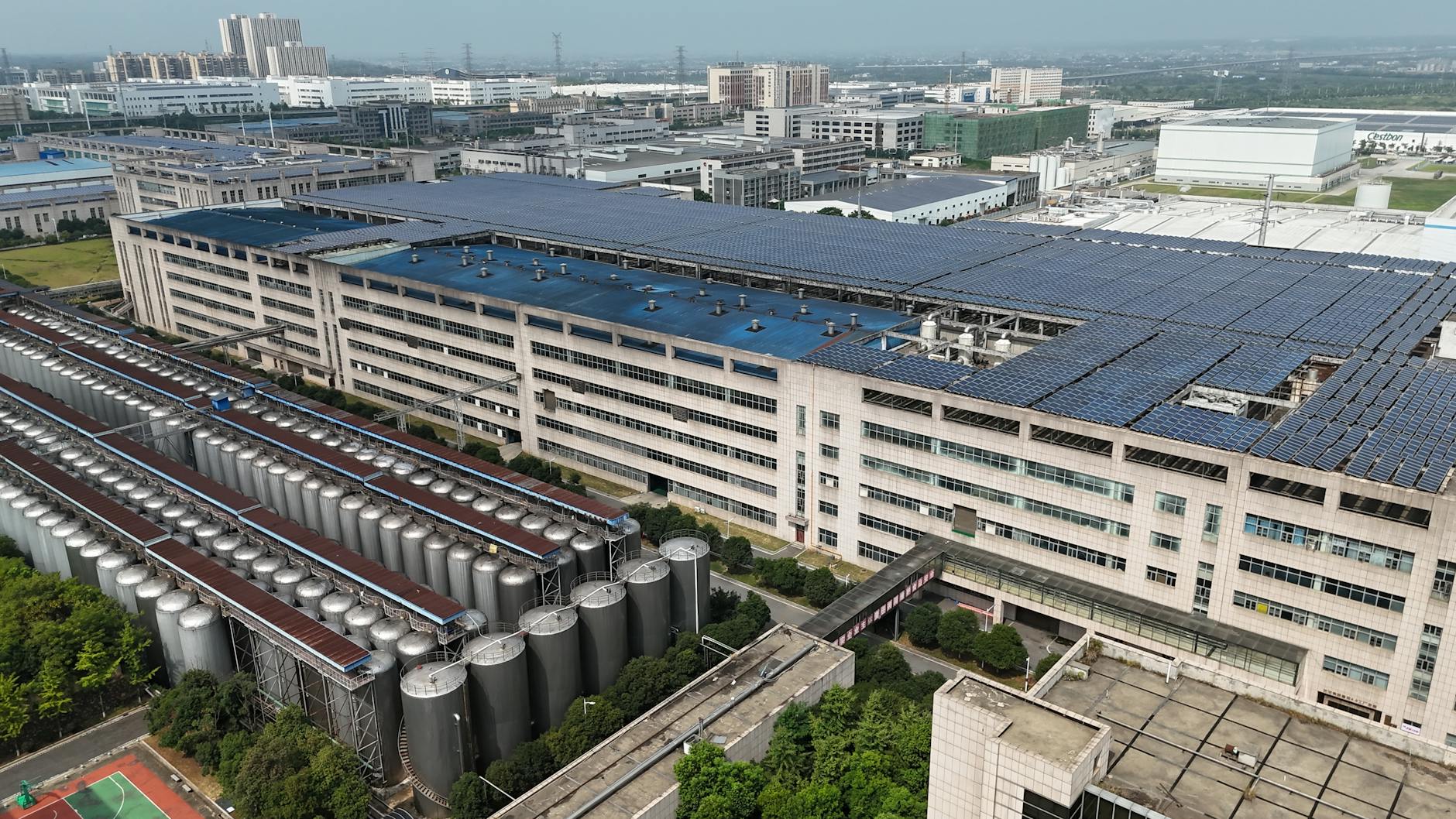
Aerial view of a modern industrial building with solar panels and storage tanks.

In the rapidly shifting landscape of global commerce, the “China Plus One” strategy—once the gold standard for supply chain diversification—is undergoing a radical transformation. As geopolitical tensions rise and trade risks become increasingly unpredictable, a more sophisticated model has emerged: China Plus Many.

At the epicenter of this evolution is Singapore. No longer just a regional financial hub, the Lion City has become the “control tower” for Chinese enterprises seeking to navigate a fragmented global economy.

From Manufacturing to Management: The “China Plus Many” Era

A decade ago, the strategy was simple: move production to low-cost neighbors like Vietnam or Cambodia to hedge against rising costs in China. Today, the focus has shifted from where goods are made to where companies are managed, financed, and scaled.

The implementation of tariffs and trade pressures—particularly during the first and second Trump administrations—demonstrated that diversification alone isn’t enough. Companies realized that shocks could come from any direction. In response, China is reworking its playbook, pulling closer to a partner that offers something rare in today’s world: absolute neutrality.

Singapore: The Neutral Control Tower

Singapore’s unique value proposition lies in its ability to sit at the table with both Washington and Beijing without being seen as favoring either. This neutrality makes it an indispensable “safe harbor” for Chinese investment.

The data reflects this massive shift:

  • Investment Surge: Chinese fixed-asset investment in Singapore skyrocketed from 2.5% in 2024 to a staggering 20.6% in 2025—an eight-fold increase in just one year.

  • Trading Partners: China has been Singapore’s largest trading partner since 2013, with a Free Trade Agreement (FTA) ensuring 95% of exports are tariff-free.

  • Investment Source: In 2022, Singapore became China’s largest source of newly committed foreign investment, overtaking Japan.

The Tech Wave and Global Scaling

The latest wave of Chinese investment is different from the infrastructure and trade focuses of the past. It is driven by high-tech giants drawn to Singapore’s deep talent pool and AI ambitions.

Major players like Huawei, Tencent, and Alibaba have established R&D centers in the city-state. Meanwhile, international operations for firms like ByteDance, Shein, and MiniMax AI have shifted to Singapore to access global capital markets and recruit international talent beyond China’s borders.

By operating out of Singapore, these companies leverage the city’s robust rule of law and corporate governance to enhance their global competitiveness.

The Gateway to 700 Million Consumers

Beyond its role as a financial hub, Singapore serves as the primary gateway to the burgeoning middle class of Southeast Asia—a market of nearly 700 million people across Indonesia, Malaysia, Vietnam, and beyond.

China understands that a sustainable long-term strategy requires localized production rather than just exporting finished goods. Coordination of this multi-market expansion is most effectively handled from Singapore, which acts as the regional headquarters for multi-national corporations (MNCs) deploying capital into neighboring emerging markets.

A New Paradigm: East-to-West Tech Transfer?

For decades, the global narrative was one of technology transfer from the West to the East. Today, as China competes head-on in sectors where Europe and the U.S. traditionally led, we are seeing the beginning of a new trend: technology transfer from the East to the West.

As global markets continue to fragment, China isn’t stepping back; it is adapting. By doubling down on self-reliance while remaining deeply integrated through hubs like Singapore, China is ensuring its value chains remain the anchor of the global economy.


Contact us about Incorporating in Singapore

Get a free consultation about company incorporation requirements, cost and compliance

Click Here

Learn More About Us

Contact Us

Take the next steps in achieving your business goals.