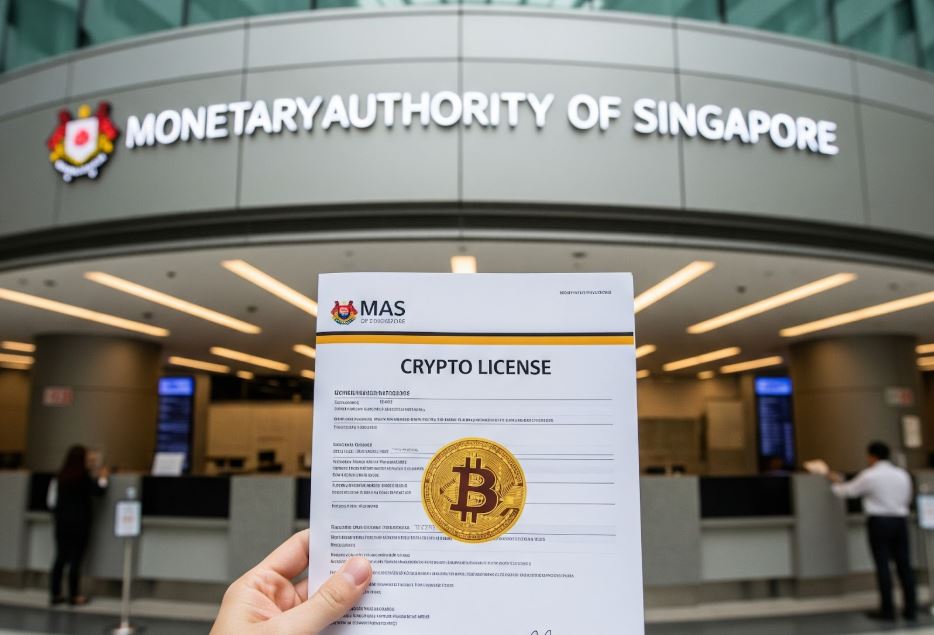
The Monetary Authority of Singapore (MAS) has given crypto firms incorporated or operating in Singapore until June 30 to stop providing digital token services to overseas clients unless they obtain a license under the Financial Services and Markets Act.
This targets businesses based in Singapore, even if they serve only foreign customers and have no local user base. There will be no transition period or exemptions. Companies that continue operating without a license past the deadline face fines of up to S$250,000 and imprisonment of up to three years.
While licensing is technically possible under Section 137 of the FSM Act, MAS made clear that approvals will be granted only in rare and exceptional cases. Applicants must justify why they operate from Singapore without serving its market and demonstrate full compliance with international anti-money laundering and counter-terrorism financing standards set by organizations such as the Financial Action Task Force and the International Organisation of Securities Commissions. They must also prove that their overseas operations are subject to proper regulation in all jurisdictions where they offer services.
License applicants will face high barriers to entry. Firms must maintain at least S$250,000 in base capital, total capital contributions and cash deposits. They are also required to pay a flat annual license fee of S$10,000, regardless of size or transaction volume. Key personnel, including CEOs and directors, must have proven experience in operating digital token businesses and a thorough understanding of Singapore’s regulatory environment. Licensees will be subject to annual audits, with reports submitted directly to MAS.
The new rules apply to any Singapore-registered entity that provides digital token services abroad, even if such services are not its core business. For example, a Singapore-incorporated company offering crypto wallets to European users or facilitating token exchanges for Latin American clients from offshore servers would still fall under the licensing requirement.
MAS has rejected calls from the crypto industry for grace periods, tiered fee structures or temporary operating exemptions while applications are reviewed. Industry concerns raised during the consultation process were largely dismissed, with the regulator citing heightened money laundering and terrorism financing risks linked to cross-border crypto services.
The new changes were made as part of Singapore’s ongoing efforts to close loopholes that allow companies to register locally while conducting largely unregulated crypto activities overseas.