Singapore logistics hub in 2026: how to use a Singapore company as your supply chain control tower
In 2026, supply chains are no longer built around a single promise like “cheaper” or “faster”. They are built around continuity. Customers still want speed, of course, and margins still matter, but the dominant question in boardrooms has shifted to something more basic: can we keep moving when the environment changes again? That is where Singapore continues to earn its place. It is not simply a convenient location on the map. It is a place where logistics, trade documentation, banking, and corporate governance align into an operating system that lets companies run multi-country supply chains with less friction and more predictability.
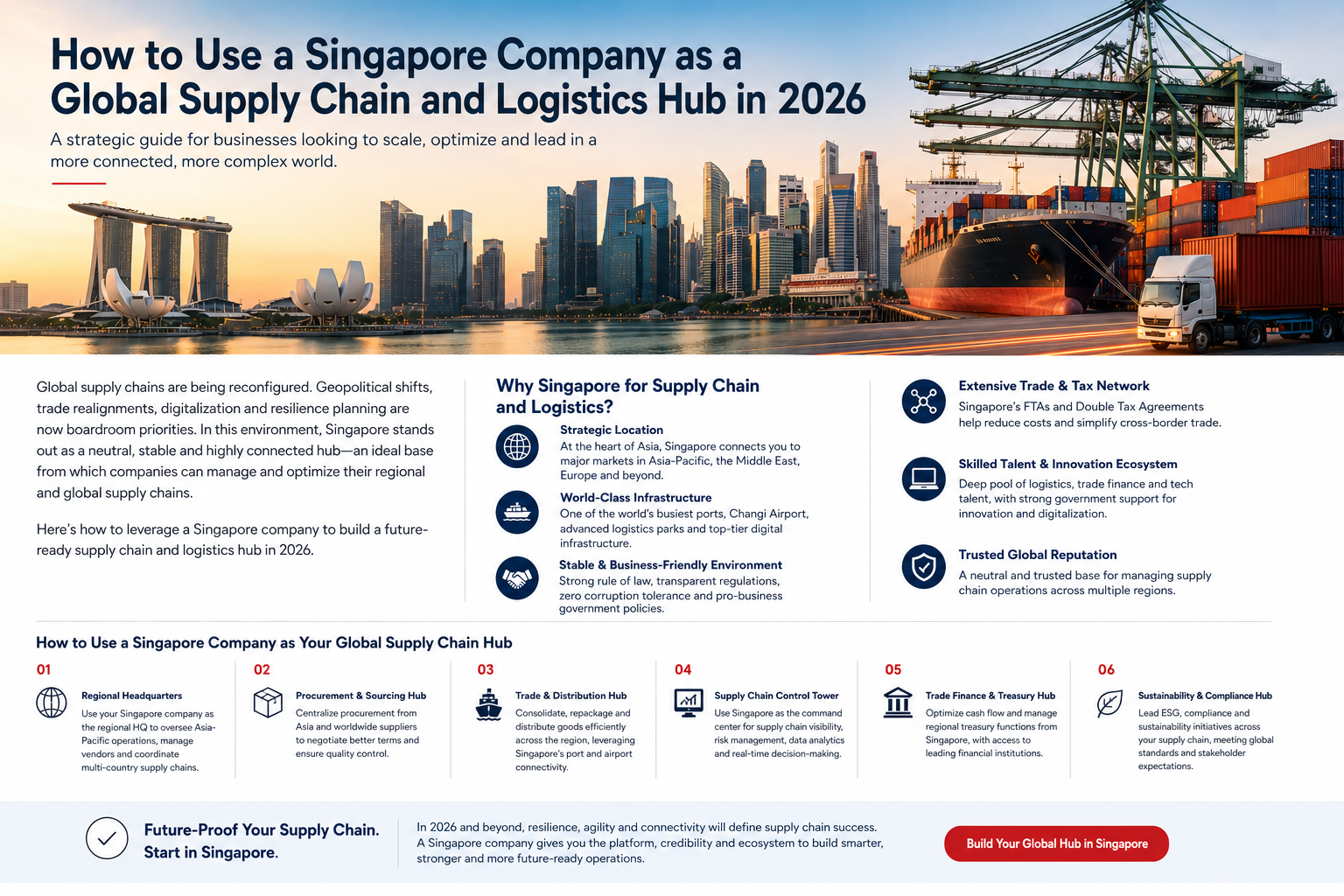
Using a Singapore company as a global supply chain and logistics hub does not mean you physically route every carton through the island. The more accurate idea is that you run your supply chain through Singapore the way modern organisations run operations through a “control tower”. The commercial contracts, the procurement logic, the trade paperwork, the treasury, and the customer-facing service levels are coordinated from one stable base. Physical flows can be designed for efficiency, but the decision-making and compliance backbone sits in Singapore.
The first advantage is credibility. A Singapore entity is widely understood by counterparties, banks, insurers, and large customers. That matters because supply chain problems are often not operational at the start; they are contractual. If a shipment is delayed, if specifications are disputed, if a vendor changes terms, the question becomes whether your documents and processes can defend your position. Singapore’s reputation for clean administration and enforceable rules gives businesses a practical edge in negotiations and disputes, even when the goods are moving elsewhere.
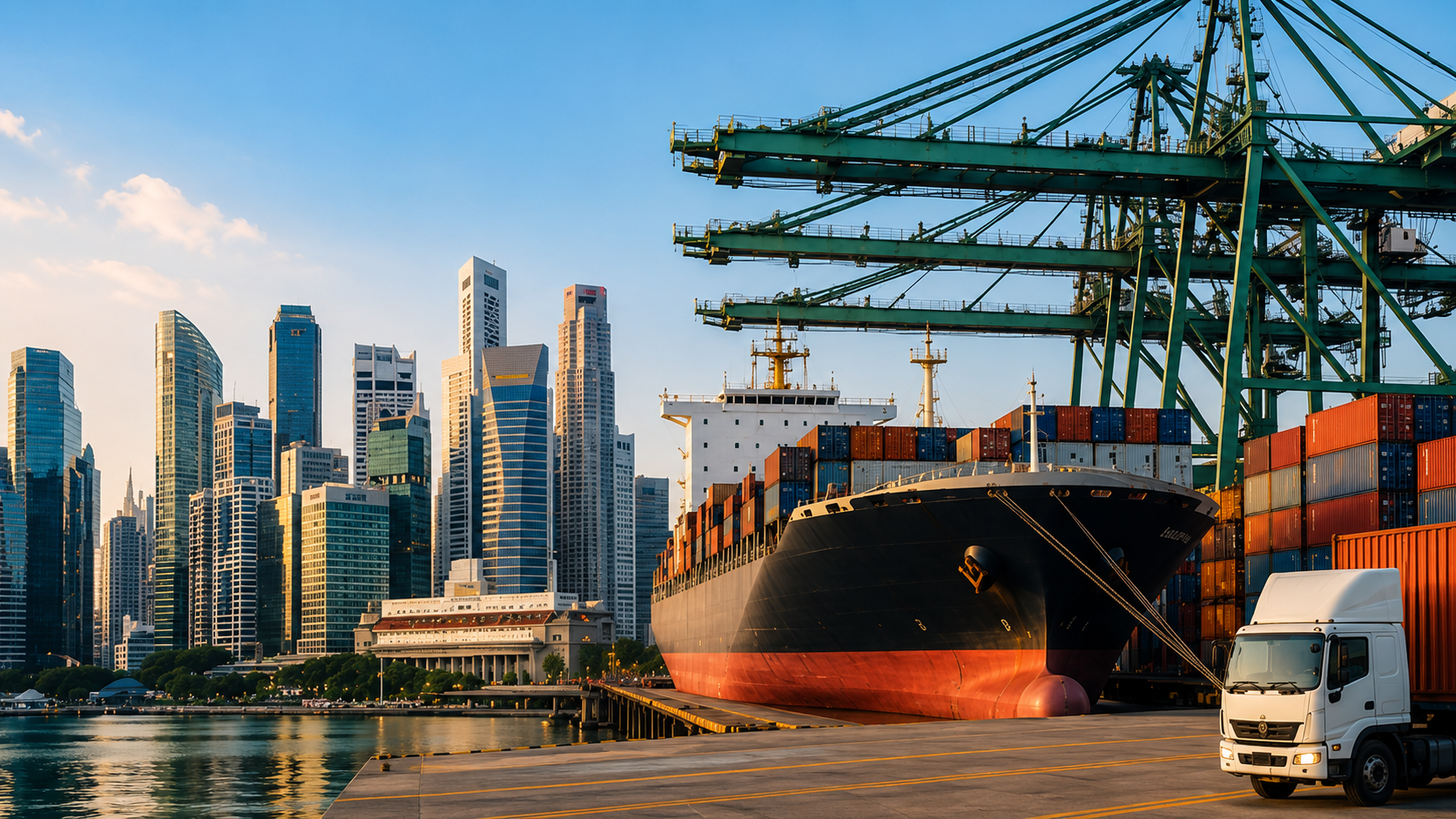
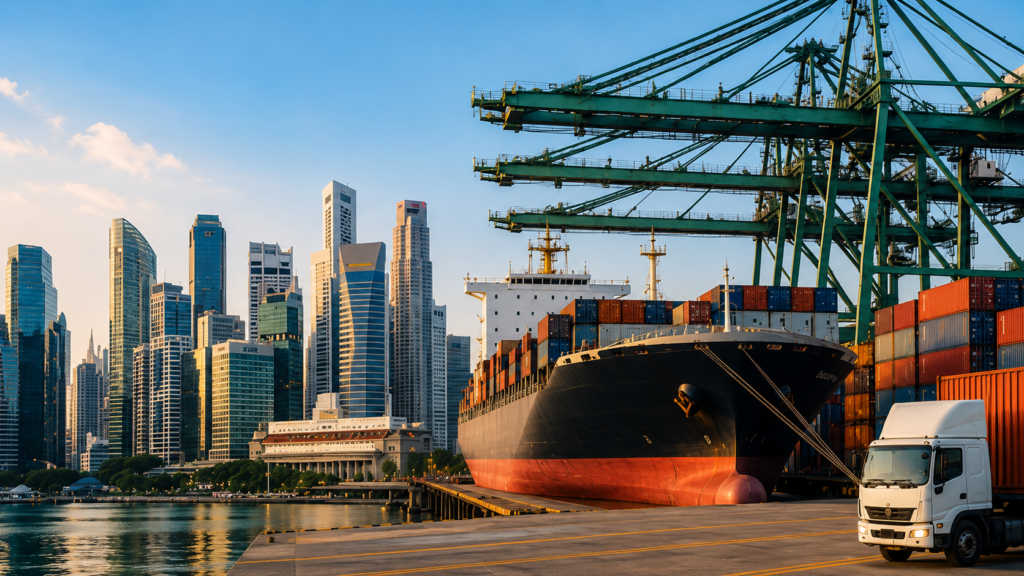
The second advantage is infrastructure that keeps getting deeper. In 2026, port capacity and automation are not abstract talking points; they are competitive tools. Singapore’s long-term investment in its next-generation port at Tuas is part of a wider effort to remain a leading transhipment and maritime services hub while regional competition intensifies. At the same time, Changi continues to operate as a high-connectivity air gateway for time-sensitive cargo, high-value components, and regional redistribution. For a supply chain company, this combination matters because it allows you to run different logistics strategies from one base: air for urgency and value density, sea for scale, and hybrid options when lead times and cash flow need balancing.
The third advantage is paperless trade infrastructure. In many countries, the weakest link in supply chain execution is still documentation: a bill of lading that does not match an invoice, a certificate that is missing a line, a declaration that cannot be reconciled fast enough, a compliance query that takes days to resolve. Singapore’s trade ecosystem has spent years pushing the opposite direction: digitised declarations, authenticated document exchange, and integrated workflows between business and government. The practical result is that many companies can reduce the “dead time” between goods moving and goods being cleared, which directly improves cash flow and customer confidence.
To use Singapore properly as a supply chain hub, you start by deciding what role the Singapore company will play. There are several patterns, and the right choice depends on whether you are importing into Southeast Asia, exporting out, or coordinating a multi-node network.
One common pattern is the regional headquarters model. The Singapore company owns the commercial relationships, manages the vendor network, and sets pricing and service levels across the region. In this structure, your Singapore entity becomes the decision point for procurement and inventory policy, while local subsidiaries or distributors handle final-mile sales and regulatory specifics. This is often the cleanest setup when your markets have different tax regimes and consumer rules, but you want one place where margins and risk are controlled.
A second pattern is the procurement and sourcing hub. Here, the Singapore company centralises purchasing and supplier management, negotiates terms, runs quality control workflows, and then sells onward to operating companies or distributors. This model is useful when you buy from multiple countries and need a consistent procurement standard, predictable payment execution, and consolidated vendor risk management. It also makes it easier to negotiate better terms because your suppliers see one buyer with volume and discipline, not a scattered set of small purchasers.
A third pattern is the distribution and re-export hub. Singapore is particularly effective when you need to break bulk, repackage, label, and redistribute to multiple markets with different requirements. This is where free trade zone and bonded logistics capabilities can become strategically useful, because they allow certain goods to be handled and staged without turning every movement into a tax event. The point is not to chase loopholes. The point is to design flows that are compliant while reducing unnecessary duty and tax friction in the wrong place.
A fourth pattern is the supply chain control tower, which is where the value of Singapore becomes most visible in 2026. In a control tower model, the Singapore company runs planning and coordination. It monitors demand signals, inventory, shipping schedules, and supplier performance, then triggers decisions: reallocations, expediting, alternative sourcing, or customer communication. This is where modern supply chains live or die. The same physical network can feel stable or fragile depending on how quickly decisions are made and how cleanly exceptions are handled. A Singapore-based control tower is attractive because it can sit on top of reliable banking, stable contracting, and predictable compliance, rather than being dragged into constant administrative firefighting.
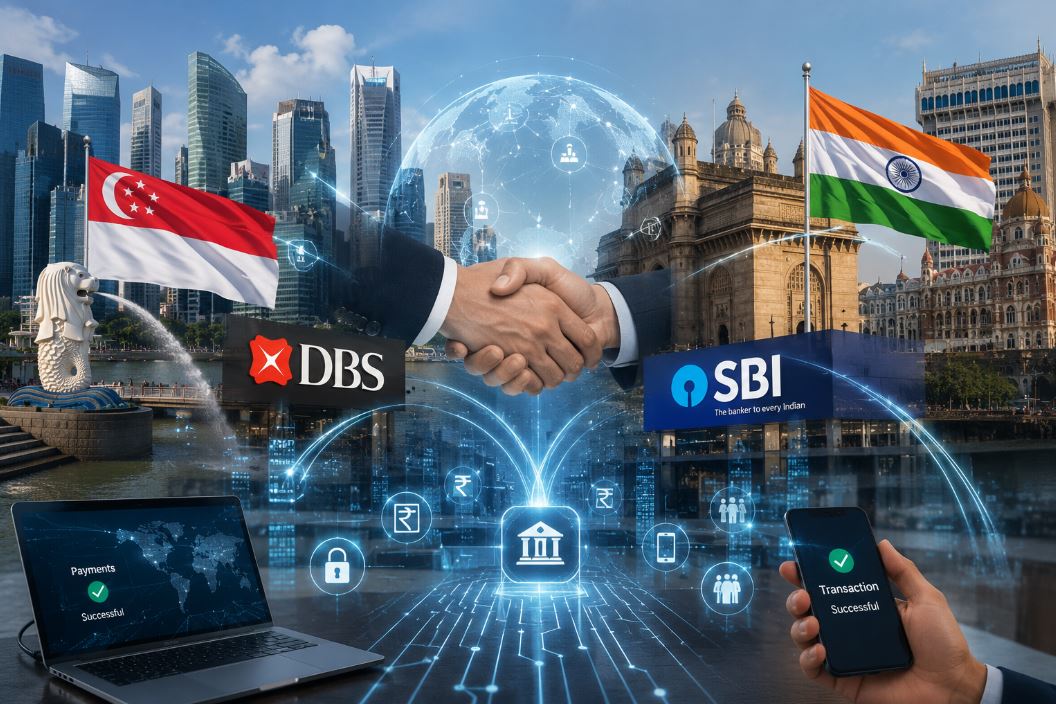
A fifth pattern is treasury and trade finance. Even when goods flow smoothly, supply chains collapse when cash does not. Singapore is unusually strong as a place to centralise multi-currency cash management, pay suppliers predictably, and structure trade finance in a way that supports growth rather than restricting it. For many businesses, this is the hidden reason they choose Singapore. It is not only about moving containers. It is about moving money, and being able to explain those movements to banks and auditors without losing weeks to clarification.
A sixth pattern, increasingly relevant in 2026, is sustainability and compliance orchestration. Global buyers now ask for more than delivery performance. They ask for traceability, ESG disclosures, and credible processes to avoid sanctions risk and forced-labour exposure. Singapore’s value here is not that it reduces compliance. It is that it supports compliance at scale. When you run documentation, vendor onboarding, and audit trails from a stable base, you reduce the chance that a regional market’s administrative constraints will break your reporting chain.
If you want this to work in practice, the Singapore company needs to be designed with operational clarity rather than with a purely legal mindset. You want clean contracts that define Incoterms properly, specify who is importer of record, and set documentary responsibilities. You want trade documentation workflows that are standardised, so invoices, packing lists, certificates, and shipping documents can be reconciled quickly. You want a basic customs and classification discipline, because errors in HS codes and product descriptions are still among the most common sources of delays and penalties across global supply chains. You also want your banking and payment practices to be boring: consistent counterparties, clear payment references, and predictable treasury controls that reduce the chance of unnecessary holds.
In 2026, there is also a strategic argument that sits above logistics. Singapore is increasingly valued as a neutral, stable point in a world where supply chains are being reshaped by geopolitical uncertainty. When headlines include sudden trade restrictions, sanctions expansions, and regional security shocks, companies do not want their entire system anchored in a single high-risk zone. They want a base that can keep operating while they reroute physical flows as needed. Singapore’s advantage is that it can function as that base without asking you to choose sides in every dispute. It offers a practical platform for continuity, which is now one of the most valuable features a hub can offer.
The best way to judge whether you are using Singapore well is simple. If your customers experience your business as reliable, if your suppliers experience you as disciplined, if your banks experience you as explainable, and if your internal team can resolve exceptions quickly, then your hub is doing its job. Singapore’s supply chain advantage is not a slogan. It is the quiet compounding of reliable systems, and in 2026, that compounding is exactly what global trade needs.
Efficient, fast, human support, personal manager for your SIngapore company needs
Contact us about Incorporating in Singapore
Get a free consultation about company incorporation for trade and logistics business.
Click Here