Prime Minister Lawrence Wong told an international business audience that Singapore must capitalise on the current AI investment surge to build capabilities and higher‑value jobs, while preparing for a possible downcycle and strengthening regulatory and energy resilience.
Opportunity and caution
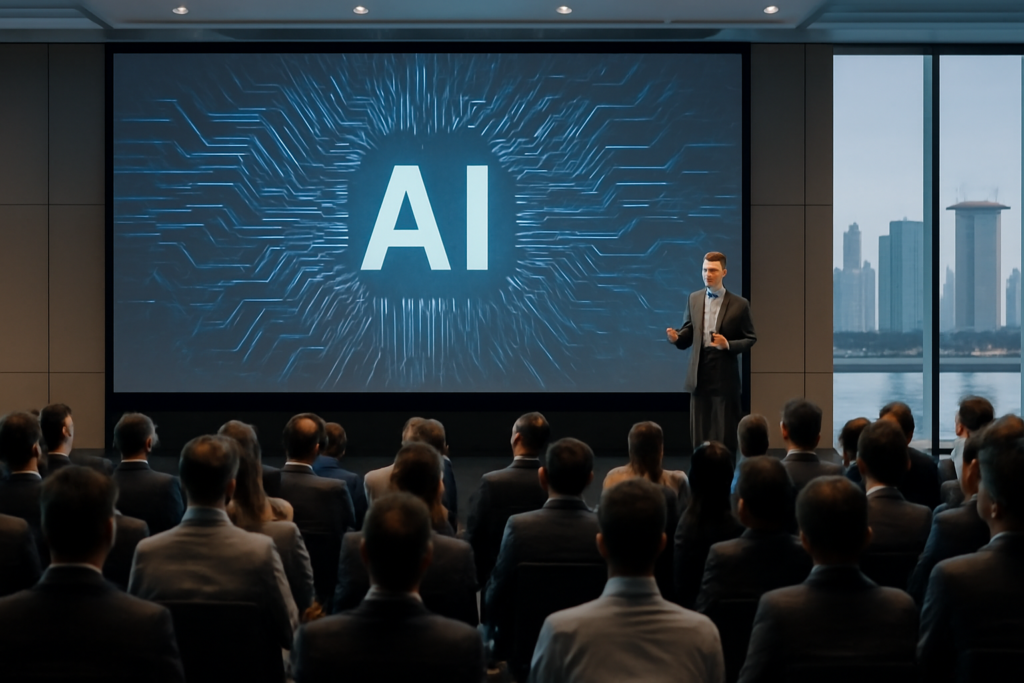
Speaking at the Forbes Global CEO Conference in Singapore on Oct 8, 2026, Wong said the global artificial intelligence boom “will not last forever” and urged businesses and policymakers to use the present window of external demand to develop durable capabilities for the Republic.
“We don’t know when it will happen, or how it will happen, we don’t know who the casualties will be,” he said, adding that Singapore’s pragmatic response is to “make good use of this window of opportunity now… capitalise on it, build new capabilities and create better jobs for Singaporeans.”
Semiconductors, spillovers and where jobs are growing
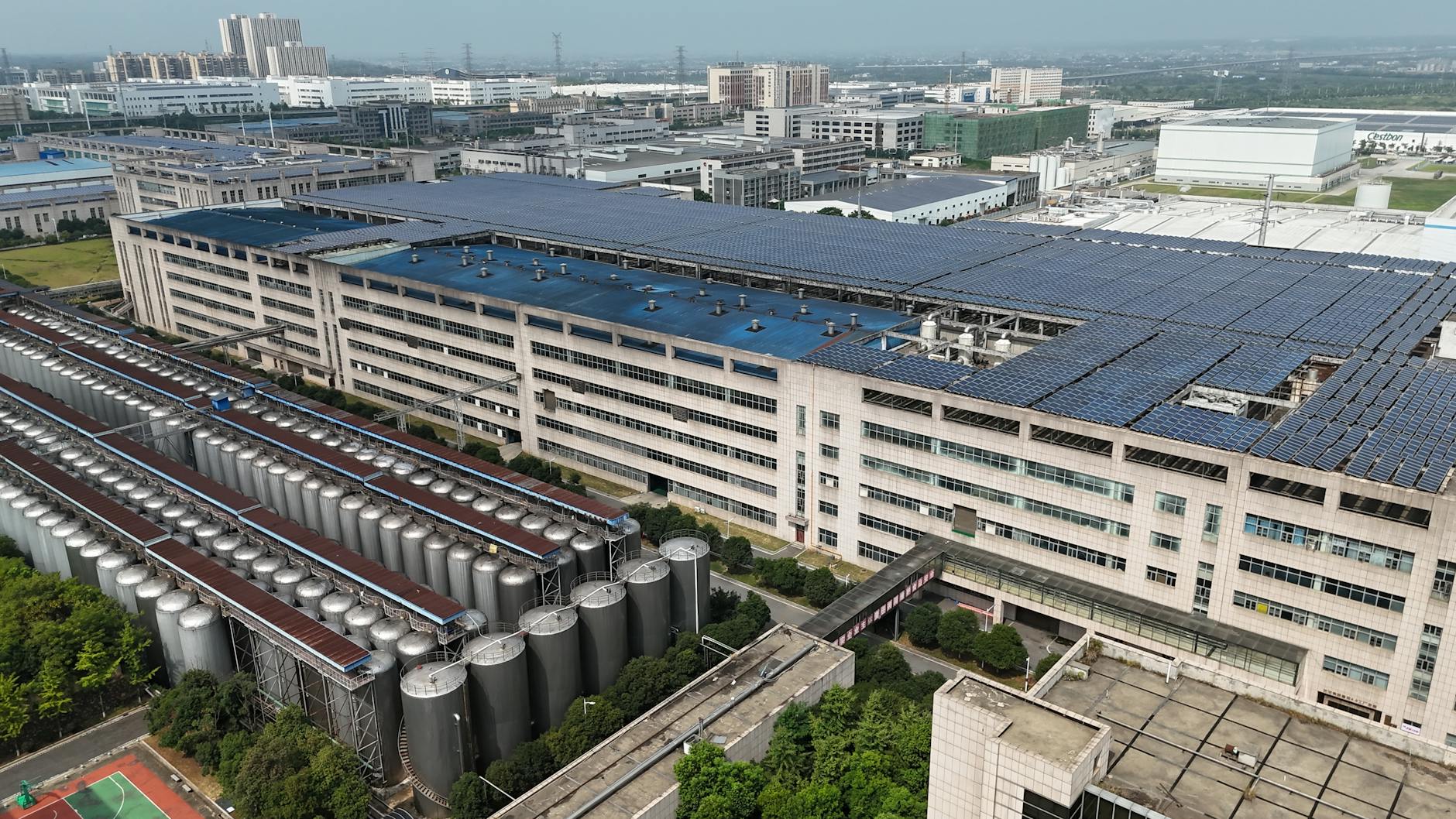
Wong pointed to concrete beneficiaries of the AI surge. While Singapore does not produce the most advanced AI chips, it hosts significant manufacturers such as GlobalFoundries and Micron that make memory and specialty chips used in AI systems. He noted that the local semiconductor ecosystem—precision engineering firms and equipment suppliers—has produced spillovers into logistics, professional services and other sectors.
For businesses and investors, that means Singapore remains an attractive location for supply‑chain and midstream semiconductor activity, as well as services that support AI deployments. Wong emphasised that authorities and companies should work to convert transient demand into durable capabilities rather than rely on the boom indefinitely.
Regulation, workforce and safety
Wong addressed risks from powerful autonomous systems and malicious misuse of AI, saying no single country can manage those dangers alone. He welcomed the US move to set up a task force on frontier AI oversight but argued that global rules and standards will eventually be necessary—potentially under United Nations auspices—a process he acknowledged would take time.
At the sector level, Wong said safeguards will vary. Regulators must determine where human control is required and how to build appropriate safeguards for areas such as healthcare, finance and advanced manufacturing. He cited domestic initiatives as examples: the Monetary Authority of Singapore (MAS) has published guidance on AI use in finance, and authorities are testing autonomous vehicles, including a Waymo pilot that allows regulators to assess safety conditions ahead of wider deployment.
On workforce disruption, Wong reiterated Singapore’s policy stance: “not to protect the job, but to protect every worker.” He emphasised the tripartite model of government, employers and unions aimed at producing “win‑win” outcomes when firms automate. Grants for enterprise transformation are often administered in partnership with unions, and companies that access public funds are expected to assist affected workers with reskilling and fair treatment.
For foreign firms planning to expand in Singapore, Wong’s remarks signal practical expectations around workforce planning and compliance. Companies hiring overseas talent should consider immigration requirements and visa processes such as the employment pass, while organisations setting up locally may need to plan company formation and banking arrangements early in the process (company registration, bank account opening).
Trade, geopolitics and energy resilience
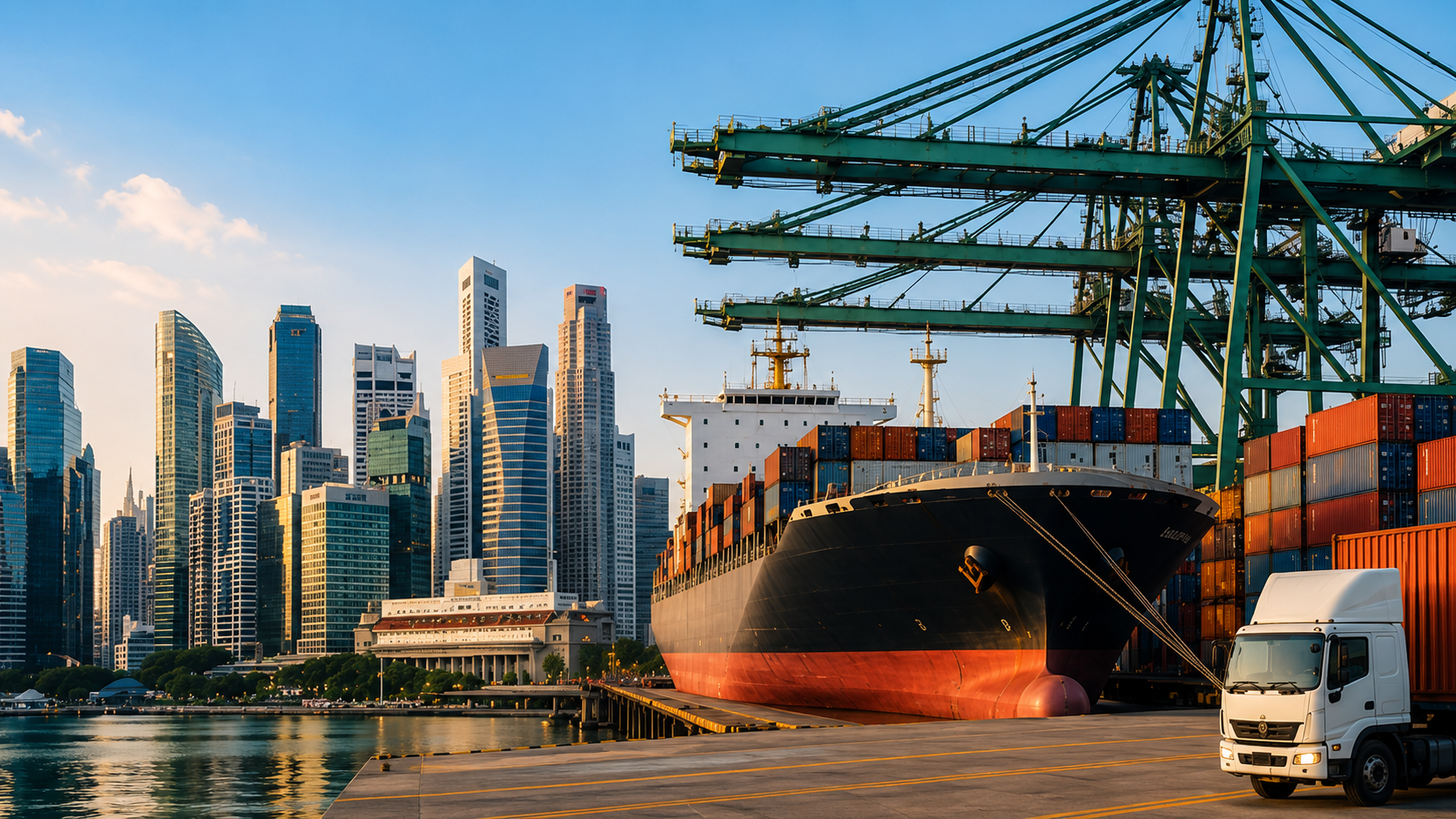
Wong also used the forum to flag strategic concerns beyond AI. He warned that recent incidents in the Strait of Hormuz could set precedents for weaponising international waterways, underlining Singapore’s interest in preserving freedom of navigation through chokepoints such as the Strait of Malacca and the Strait of Singapore. He said Singapore had discussed the issue with Malaysian and Indonesian leaders and would work with partners to uphold transit rights.
Wong criticised recent US tariffs as puzzling for Singapore and warned of a broader shift toward trade fragmentation, even as he stressed that Singapore cannot afford to turn inward. He reiterated plans to deepen ties across ASEAN while expanding connections with regions such as Latin America, Africa and the Middle East as Singapore prepares to chair ASEAN in 2027.
Responding to questions about energy resilience after the Iran war in February, Wong said Singapore’s refineries were able to source non‑Middle East crude and continue operations, albeit at different yield profiles. He confirmed that Singapore has started Phase 1 of the International Atomic Energy Agency’s Integrated Nuclear Infrastructure Review to assess whether civilian nuclear power could be an option, and that the government will publish the study’s results before proceeding.
Wong closed by underscoring Singapore’s strengths—strong fiscal reserves, institutional stability and a commitment to competitiveness—and his aim to use current opportunities to build longer‑term resilience. His message was not to dismiss the AI boom but to treat it as a finite window to upgrade the economy and protect people against future shocks.
What this means for companies and investors:
Expect continued regulatory focus on sectoral AI safeguards. Firms in finance, transport, healthcare and manufacturing should review compliance with MAS guidance and prepare for sector‑specific rules.
Workforce transitions will remain a policy priority. Companies should build reskilling and fair severance practices into automation strategies to align with tripartite expectations.
Singapore will continue to court AI and semiconductor investment but emphasises legitimate, long‑term capital that adds jobs and capability.
Geopolitical risks—maritime security and trade policy—are on the government’s radar and may influence logistics, energy sourcing and regional supply‑chain planning.
These points offer practical considerations for businesses operating in or considering expansion to Singapore as they balance short‑term demand against a need for durable capability building and worker protections.